
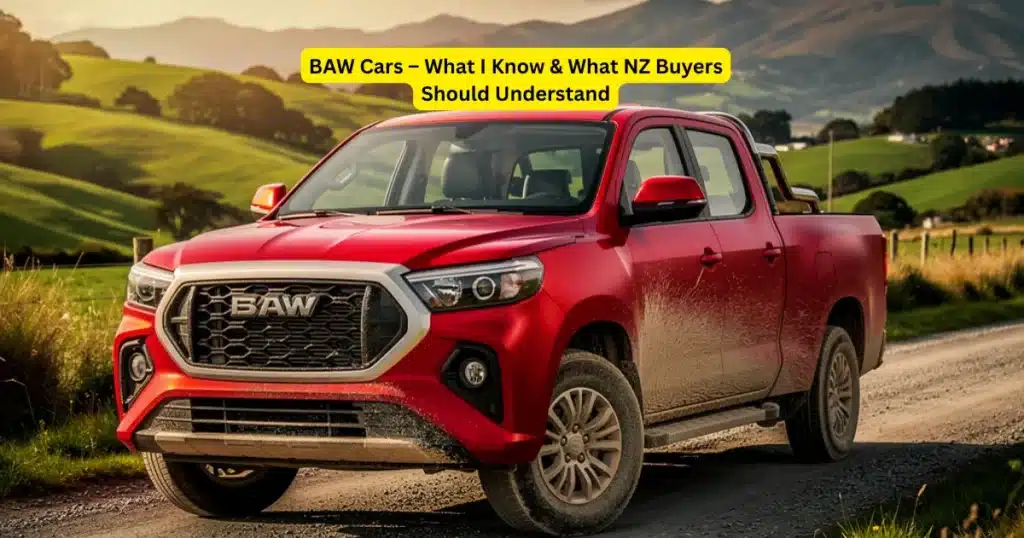
When it comes to Chinese automotive brands making their way into New Zealand, most Kiwis are already familiar with names like BYD, MG, and Great Wall. But there’s a lesser-known name that occasionally surfaces in conversations among vehicle enthusiasts and those exploring budget-friendly options: BAW, or Beijing Automotive Works. If you’ve stumbled across a BAW vehicle listing or heard someone mention the brand, you’re probably wondering what exactly you’re looking at – and whether it’s worth your attention.
I’ve spent considerable time researching BAW’s background, their vehicle lineup, and what these vehicles might mean for New Zealand car buyers. In this comprehensive guide, I’ll share everything I know about BAW cars, discuss their relevance to the Kiwi market, and offer my honest perspective on whether they deserve a spot on your shortlist.
Who is BAW? Understanding the Brand Behind the Badge
BAW (Beijing Automotive Works) is a Chinese state-owned automobile manufacturer with roots stretching back to 1958. That makes them one of China’s oldest automotive companies – a fact that might surprise those who assume all Chinese brands are relatively new players in the industry.
Originally established as Beijing Automobile Works, the company has undergone various restructurings over the decades. Today, BAW operates as a subsidiary of BAIC Group (Beijing Automotive Industry Corporation), one of China’s largest automotive conglomerates. BAIC itself has partnerships with major global players like Mercedes-Benz and Hyundai, which gives you some insight into the broader ecosystem BAW operates within.
BAW’s Core Focus
Unlike some Chinese manufacturers that have rapidly pivoted to electric vehicles and passenger cars for global markets, BAW has traditionally maintained a focus on:
- Light commercial vehicles (LCVs)
- Off-road and military-style vehicles
- Rugged utility vehicles
- Compact SUVs for developing markets
This specialisation has kept BAW somewhat under the radar in Western markets, where the spotlight tends to fall on passenger car manufacturers pursuing EV dominance.
The BAW Vehicle Range: What’s Actually Being Made?
To properly evaluate BAW’s potential relevance for NZ buyers, it helps to understand their current vehicle lineup. Here’s a breakdown of the key models BAW produces:
BAW BJ40 Series
The BJ40 is arguably BAW’s flagship model and the one most likely to catch the eye of adventure-seeking Kiwis. It’s a rugged, Jeep Wrangler-inspired off-roader with proper 4WD credentials.
| Specification | Details |
|---|---|
| Body Style | 2-door or 4-door SUV |
| Engine Options | 2.0L Turbo Petrol, 2.0L Turbo Diesel |
| Power Output | 160–180 kW (depending on variant) |
| Drivetrain | Part-time or full-time 4WD with low-range transfer case |
| Key Features | Removable roof panels, solid axles, off-road focused suspension |
The BJ40 is clearly designed to compete with the likes of the Jeep Wrangler, Ford Bronco, and Toyota Land Cruiser 70 Series – all of which command premium prices in New Zealand.
BAW Warrior (BJ80)
The BJ80, also known as the BAW Warrior, takes the off-road philosophy even further. This is a larger, more militaristic-looking vehicle that’s reportedly based on the Mercedes-Benz G-Class platform through BAIC’s partnership with Mercedes.
- Heavy-duty construction
- V6 or V8 engine options in some markets
- Genuine off-road hardware including portal axles in certain variants
- Designed for government, military, and rugged civilian use
BAW Light Commercial Vehicles
Beyond their SUV offerings, BAW produces a range of light trucks, vans, and utility vehicles. These include:
- BAW Fenix – Compact pickup truck
- BAW Lulin – Panel van and minibus variants
- BAW Qishi – Medium-duty commercial vehicle
These commercial models are commonly seen in China, Africa, Southeast Asia, and parts of the Middle East, where affordable and durable work vehicles are in high demand.
Are BAW Cars Available in New Zealand?
Here’s where things get interesting – and where I need to be completely transparent with you.
BAW does not currently have an official dealer network in New Zealand. Unlike brands such as BYD, LDV, or MG, which have established importers and comprehensive dealer support across the country, BAW vehicles are not readily available through conventional new car channels in NZ.
How BAW Vehicles Might Enter NZ
If you do encounter a BAW vehicle in New Zealand, it’s likely arrived through one of the following routes:
- Private importation – An individual or business has imported the vehicle directly from overseas, typically from China, the Middle East, or Southeast Asia.
- Used vehicle imports – Second-hand BAW vehicles occasionally surface through specialist importers who source vehicles from Japan, Singapore, or other markets.
- Grey market channels – Some automotive importers operate outside official brand partnerships, bringing in vehicles that may not have local warranty or support infrastructure.
What This Means for Buyers
If you’re considering a BAW vehicle in New Zealand, you need to understand the implications:
| Factor | Consideration |
|---|---|
| Warranty | No official manufacturer warranty support in NZ |
| Parts Availability | Limited; may require sourcing from overseas |
| Servicing | No brand-trained technicians; reliant on independent mechanics |
| Compliance | Must meet NZ entry certification (emissions, safety) – private imports require additional checks |
| Resale Value | Uncertain; limited market awareness could affect future sale |
Why BAW Hasn’t Targeted New Zealand (Yet)
You might be wondering why a brand with 60+ years of history hasn’t made a concerted push into the New Zealand market. There are several factors at play:
1. Strategic Focus on Developing Markets
BAW’s core strength lies in producing affordable, durable vehicles for markets where price sensitivity is paramount. New Zealand, while small, has relatively high expectations for vehicle safety, technology, and after-sales support. Meeting these standards requires significant investment.
2. Parent Company Priorities
BAIC Group has multiple brands under its umbrella. Much of their international expansion energy has been directed toward:
- BAIC BluePark (electric vehicles)
- Beijing Hyundai (joint venture passenger cars)
- Foton Motor (commercial vehicles – which are actually available in NZ!)
It’s worth noting that Foton, also part of the BAIC family, does have an official presence in New Zealand through established importers. This suggests BAIC understands the Kiwi market but has chosen to prioritise Foton’s commercial range over BAW’s utility and off-road lineup.
3. Competitive Off-Road Market
New Zealand already has strong competition in the off-road and 4WD segment. Brands like Toyota, Ford, Jeep, and even newcomers like GWM Tank have established footholds. Entering this space would require BAW to offer compelling value – something that’s difficult without local support infrastructure.
What NZ Buyers Should Know Before Considering a BAW Vehicle
If the BAW BJ40 or BJ80 has caught your attention and you’re genuinely considering importing one, here’s my honest advice:
The Potential Upsides
Affordability – In markets where BAW is officially sold, their vehicles are priced well below comparable Western and Japanese alternatives. The BJ40, for example, is often 30–50% cheaper than a Jeep Wrangler.
Off-Road Capability – BAW’s heritage in producing military and utility vehicles means their 4WD systems are genuinely capable. The BJ40 in particular receives praise for its solid axles, low-range gearing, and approach/departure angles.
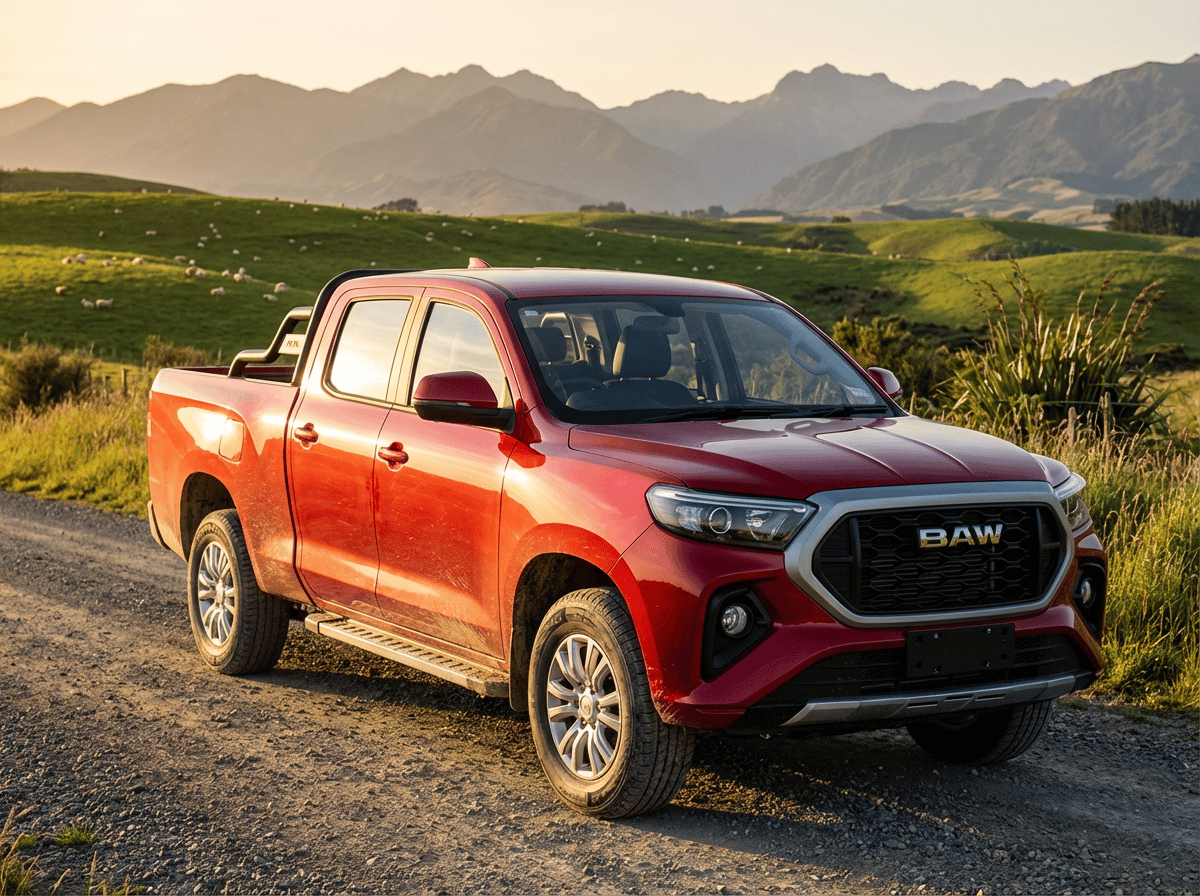
Unique Styling – If you want something different from the typical Hilux or Ranger on Kiwi roads, a BAW vehicle will certainly stand out.
Build Durability – Reports from markets like Africa and the Middle East suggest BAW makes robust, long-lasting vehicles suitable for harsh conditions.
The Significant Downsides
No Local Support – I can’t stress this enough. Buying a vehicle without official dealer backing means you’re on your own for warranty claims, recalls, and technical support.
Parts Sourcing Challenges – Even something as simple as brake pads or filters might require weeks of waiting if parts need to be ordered from China.
Uncertain Build Quality – While BAW has improved significantly, Chinese vehicle quality can still be inconsistent. Without local QC and PDI (pre-delivery inspection) processes, you may inherit issues that would otherwise be caught.
Insurance Complications – Some NZ insurers may hesitate to cover unfamiliar brands or require specialised assessments.
Resale Uncertainty – When it comes time to sell, finding a buyer who understands and values the vehicle could be difficult.
How BAW Compares to Other Chinese Brands Available in NZ
To put BAW in context, here’s how they stack up against Chinese brands that are officially available in New Zealand:
| Brand | NZ Presence | Focus | Key Strength |
|---|---|---|---|
| BYD | Official dealers | EVs (cars, SUVs, utes) | Market-leading EV tech |
| MG | Official dealers | Affordable cars & SUVs | Value proposition |
| LDV | Official dealers | Utes & vans | Commercial vehicle range |
| GWM/Haval | Official dealers | SUVs, utes, off-roaders | Tank 300/500 rugged SUVs |
| Foton | Official dealers | Commercial vehicles | Trucks and vans |
| BAW | Not official | Off-road SUVs, LCVs | Unknown in NZ |
The most direct competitor to BAW’s BJ40 is arguably the GWM Tank 300, which is officially available through GWM dealers in New Zealand. The Tank 300 offers similar rugged, retro-inspired styling with the backing of a growing dealer network.
My Honest Take: Should Kiwis Consider BAW?
Here’s my bottom-line assessment:
For the vast majority of New Zealand buyers, I would not recommend pursuing a BAW vehicle at this time. The lack of official support, parts availability, and servicing infrastructure creates too much risk for everyday use.
However, there are a few scenarios where BAW might make sense:
When BAW Could Work
- You’re experienced with self-sufficiency – If you’re mechanically inclined, comfortable sourcing parts internationally, and have the skills (or contacts) to maintain an unusual vehicle, a BAW could be a rewarding project.
- You want a dedicated off-road toy – If the BAW would be a secondary vehicle for weekend adventures rather than daily transport, the risks become more manageable.
- You’re in the commercial vehicle space – Some businesses with expertise in Chinese machinery might find BAW’s commercial range interesting for specific applications.
When You Should Look Elsewhere
- If you need daily reliability – Stick with brands that have local support.
- If warranty matters to you – An official brand with NZ warranty is essential.
- If you’re a first-time car buyer – The complexity of an unsupported import isn’t worth the learning curve.
Could BAW Come to NZ Officially in the Future?
This is a question I’ve considered carefully. Here’s my speculation:
It’s possible, but unlikely in the short term.
The Kiwi market is increasingly attractive to Chinese automakers given our openness to EVs and competitive vehicle regulations. However:
- BAIC Group seems focused on electrification through other brands
- The off-road segment in NZ is competitive but not massive
- Establishing a dealer network requires significant investment
If BAW were to enter NZ, I’d expect it to be through a partnership with an existing importer or as part of a broader BAIC strategy – perhaps bundled with Foton’s commercial expansion.
What About BAW Electric Vehicles?
It’s worth mentioning that BAIC Group, BAW’s parent company, is increasingly focused on electric vehicles. The BAIC EU-Series and BAIC X7 are electric models sold in some markets.
However, BAW itself has remained committed to combustion-powered utility vehicles. Whether they’ll pivot to EVs remains to be seen, but for now, if you’re interested in a Chinese EV for New Zealand, brands like BYD are far more accessible and practical.
Key Takeaways for New Zealand Buyers
Let me summarise everything I’ve covered:
- BAW is a legitimate Chinese automaker with over 60 years of history and genuine off-road credentials
- Their vehicles are not officially sold in New Zealand and lack dealer support
- The BJ40 is an appealing off-roader that compares to the Jeep Wrangler at a lower price point
- Importing privately carries significant risks including parts, servicing, and resale challenges
- Better alternatives exist in New Zealand through brands like GWM (Tank 300/500) if you want rugged, affordable SUVs with proper support
- BAW may yet arrive officially, but there’s no indication this will happen soon
My Final Thoughts
BAW represents an interesting “what if” for New Zealand car buyers. Here’s a brand with genuine capability and competitive pricing that simply hasn’t prioritised our market. For Kiwis who love off-roading and unique vehicles, the BJ40’s combination of Wrangler-style design and Chinese pricing is undeniably tempting.
But buying a car in New Zealand isn’t just about the vehicle itself – it’s about the ownership experience. Warranty support, available parts, trained technicians, and resale confidence all matter. Without these pillars in place, even an impressive vehicle becomes a liability.
My advice? Keep BAW on your radar as a name to watch, especially if BAIC Group decides to expand their Australasian footprint. In the meantime, explore the GWM Tank range or consider the established 4WD options from Toyota, Ford, and Jeep that offer peace of mind alongside capability.
If you’ve had direct experience with a BAW vehicle in New Zealand – whether imported or encountered overseas – I’d genuinely love to hear about it. Real-world insights from fellow Kiwis are invaluable as we collectively navigate this evolving automotive landscape.
This article reflects my research and opinions as of early 2026. Vehicle availability, pricing, and brand strategies can change, so always verify current information before making purchasing decisions.